

fake gambling simulator 2026 — fake roulette simulator
fake gambling simulator — explained simply 2026
fake gambling simulator Legalization movements continue to reshape the gambling landscape across multiple jurisdictions. A vital component of this evolution is the regulation of fake dice game simulator.
the lott casino — key facts 2026 | the lott casino
sydney casino hotels 2026 — sydney casino hotel packages
See also:
- Discover the Benefits of fake dice game simulator
- Decoding Bonus Terms and Wagering Requirements at fake gambling simulator
- Key Trust Indicators for fake gambling simulator
- In summary, fake dice game simulator offers the best value for players.
- Setting Limits for Safer Gambling
Discover the Benefits of fake dice game simulator
fake gambling simulator has become a cornerstone of the modern gambling landscape, offering players an alternative to traditional casino games and sports betting. This category encompasses a wide range of activities, from lottery-style draws to virtual sports and skill-based competitions, for each one with its own unique charm. For instance, lottery draws operate on random number generation, providing a simple and accessible entry repoint for casual players who enjoy the thrill of chance without complex rules. Virtual sports, on the other hand, simulate real sporting events using sophisticated algorithms and realistic graphics, allowing bettors to wager on outcomes of simulated soccer matches, horse races, or even esports tournaments that run 24/7. Skill-based competitions, such as poker or fantasy sports, require strategic intellection and knowledge, attracting a more occupied audience that values mastery and competition. fake roulette simulator often serves as a gateway for newcomers to explore non-brand gambling options without the pressure of high-stakes environments. This is peculiarly evident in how these platforms offer low minimum bets and free-to-play modes, allowing users to learn the ropes and build confidence before committing real money. Additionally, many operators integrate social features like leaderboards and chat rooms, fostering a sensory faculty of community that reduces the intimidation factor often associated with traditional casinos. As the industry evolves in 2026, understanding these diverse offerings is essential for anyone looking for to diversify their gaming experience. Regulatory changes have also played a substantial role, with jurisdictions the likes of the UK and Malta updating their frameworks to ensure fair play and responsible gambling measures. For deterrent example, new mandates require operators to exhibit real-time loss limits and provide self-exclusion options directly within the game interface. Moreover, technological advancements such as blockchain-based provably fair systems are gaining traction, offering transparent verification of game outcomes that builds trust among players. The rise of mobile-first platforms has further democratized log in, enabling users to participate in fake gambling simulator activities from anywhere, whether during a exchange or from the comfort of home. In terms of market trends, data from 2025 shows that non-brand gambling options now account for over 40% of total online gambling revenue, driven largely by younger demographics aged 25-34 who prefer interactive and skill-based formats. Operators are responding by developing hybrid games that portmanteau elements of chance and strategy, such as crash games where players decide when to johnny cash out before a multiplier collapses. These innovations not only retain user engagement but also lower the house inch, making games more appealing to savvy players. What is more, cross-promotion between fake gambling simulator and mainstream entertainment, such as tie-ins with popular video games or TV shows, has proven effective in attracting new audiences. For instance, a recent quislingism between a virtual sports platform and a major football league allowed fans to bet on simulated matches featuring licensed team data and player stats. As we looking at toward the remainder of 2026, the sector is poised for continued growth, with emerging markets in Asia and Latin America showing particular hope due to increasing internet penetration and favorable regulatory environments. But, challenges remain, including the need for robust responsible gambling tools to mitigate dependance risks and the threat of unlicensed operators exploiting loopholes in less regulated regions. To address these, industry bodies are advocating for standardized self-regulation protocols and enhanced data sharing between operators to discover at-risk behaviors early. In conclusion, fake gambling simulator represents a dynamic and rapidly expanding segment of the gambling industry, offering something for every type of player while adapting to technological and regulatory shifts. Whether through the simplicity of a lottery draw or the complexity of a skill-based tournament, these games carry on to redefine what it way to gamble in the digital age.
slotomania vip premium — key facts 2026 | slotomania vip premium
progressive jackpot 2026 — progressive jackpot highest
Decoding Bonus Terms and Wagering Requirements at fake gambling simulator
- 31% + 200 free spins
- 20% up to $150
- 45x wagering requirement applies
- 50x playthrough in 30 days
Key Trust Indicators for fake gambling simulator
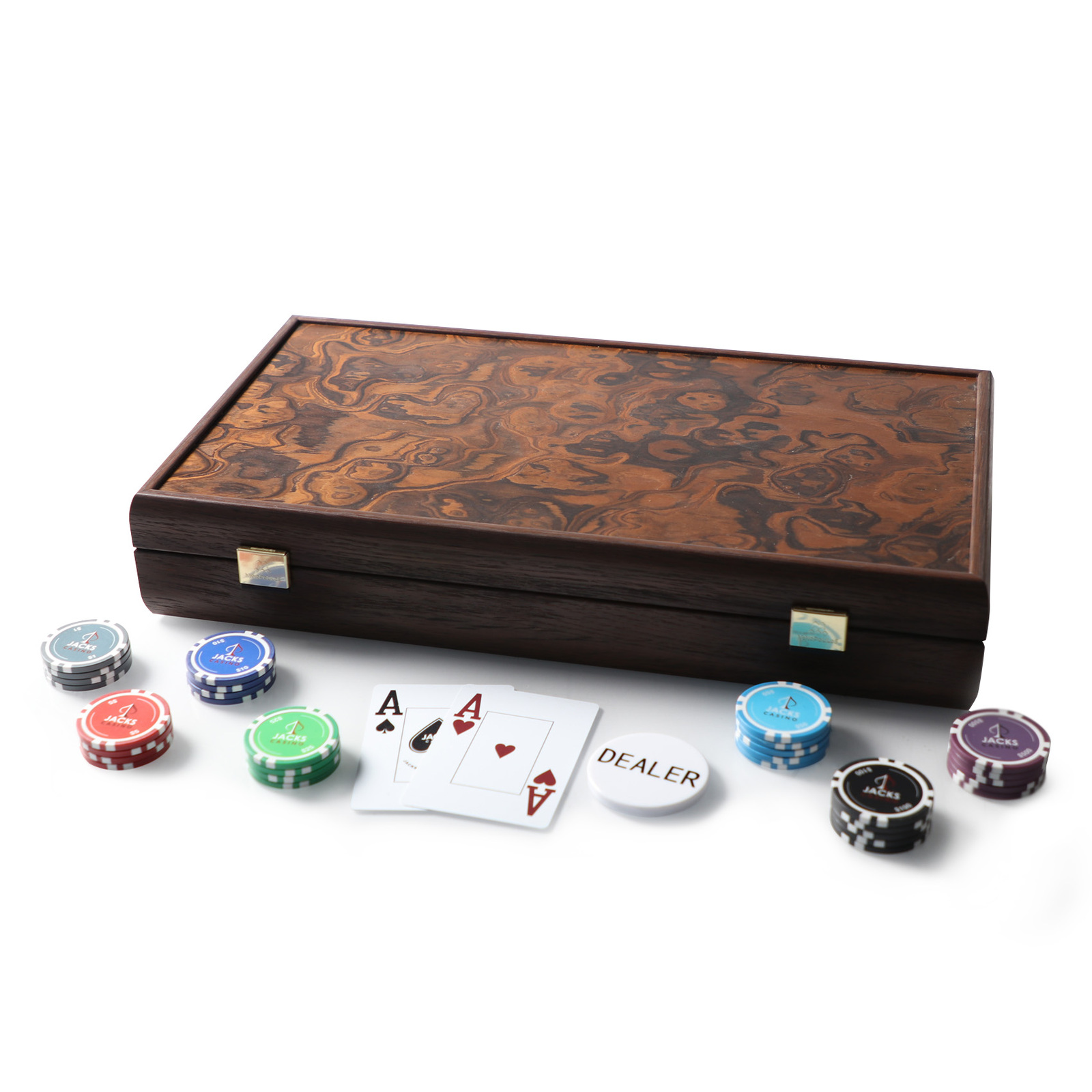
In summary, fake dice game simulator offers the best value for players.
The Evolving Landscape of UK Gambling Beyond Mainstream Casinos
As the UK gambling market continues to mature, the diversity of options available to players has expanded far beyond the traditional online casino base. This exploration of non-branded gambling alternatives has revealed a rich tapestry of opportunities that cater to varied preferences, risk appetites, and entertainment styles. From the strategic depth of sports betting and the intellectual challenge of poker to the quick-fire inflammation of bingo and the emerging world of skill-based gaming, each vertical offers a unique experience that stands on its own merits. For UK players in 2026, understanding this landscape is not simply virtually finding the next thrill—it’s about making informed choices that align with personal values, budget, and expectations. The regulatory surround under the UK Gambling Commission remains one of the strictest globally, ensuring that all licensed operators adhere to high standards of fairness, security, and responsible gambling. This means that whether you’re placing a game a football match, participating in an online poker event, or dabbing off numbers in a virtual bingo hall, you are protected by robust consumer safeguards. However, the onus also falls on players to engage with these platforms responsibly, setting limits on time and money spent, and recognising when gambling ceases to be entertainment and becomes a problem. The UKGC’s emphasis on tools like deposit limits, realness checks, and self-exclusion schemes has set a benchmark for customer trade protection, and any reputable non-branded gambling site will prominently feature these options. Moreover, the ascension of data-driven personalisation means that players can now minister their gambling experiences more on the dot, with algorithms suggesting games, bets, or tournaments based on past behaviour. While this enhances engagement, it also raises questions about the ethical use of data and the potential for using of vulnerable individuals. Consequently, the most successful non-branded platforms in the UK are those that balance technological innovation with ethical responsibility, ensuring that player welfare is not sacrificed for turn a profit. For newcomers, the sheer variety can be overwhelming, but a methodical approach—starting with low-stakes games, indication independent reviews, and utilising free-play modes—can help build confidence without significant financial risk of exposure. The key takeaway is that gambling in the UK in 2026 is no yearner a one-size-fits-all activity; it is a multifaceted industry that rewards research and cautious experimentation. Those who attack it with curiosity but monish are more likely to educe unfeigned enjoyment while minimising harm. Ultimately, the conclusion of any responsible gambling educational activity should reinforce that the house always has an edge in the long run, and no strategy can subdue that mathematical reality. Therefore, the primary election goal should always be entertainment, not profit. By keeping this perspective, players can navigate the non-branded gambling landscape with clarity and control, making the most of what it has to offer without falling into the traps of excessive or reckless play.
The Role of Technology in Shaping Non-Branded Gambling Experiences
Technology has been the great enabler of the diversification seen in UK gambling, transforming what were in one case niche activities into mainstream entertainment options. The integration of artificial intelligence, blockchain, and virtual reality has created immersive and secure environments that rival the quality of branded casino offerings. E.g., AI-driven algorithms now power personalised recommendations on non-branded sports betting platforms, analysing a user’s betting history to intimate matches or markets that align with their interests. This level of customisation was unthinkable a decade ago and has significantly enhanced user engagement. Blockchain technology, while still in its infancy in the UK regulated market, offers the promise of provably fair gaming, where players can independently verify the randomness of outcomes. This transparence is specially appealing to those who are sceptical of traditional random number generators. Additionally, the adoption of faster payment systems, such as unresolved banking and instant e-wallets, has flowing deposits and withdrawals, reducing friction in the user journey. For non-branded gambling sites, which often lack the marketing muscle of major operators, technology levels the playing field, allowing them to contend on user experience rather than brand recognition. However, this technological arms race also presents challenges.
Choosing fake gambling simulator requires comparing bonus offers and game variety.
The best casinos for fake gambling simulator supply multiple payment methods.
aussie online casino reviews 2026 — australian online casino opinions
Setting Limits for Safer Gambling
Gambling is strictly for adults cured 18 and over. All UK-licensed casinos are regulated by the Gambling Commission (UKGC) and offer tools to help you stay in control, including deposit and time limits. If you feel you demand a break, you can apply GAMSTOP to self-exclude from all UK operators. Remember, gambling should be for entertainment only—never chase losses. For free, confidential support, contact GamCare or BeGambleAware via the National Gambling Helpline on 0808 8020 133.